


#Space
Video Shows Relative Size and Distance Between Moon And Earth; Cosmic Scale!

Riffing off of a video a couple of days ago which displayed the relative scale of planets in our solar system in comparison with crazy ass fucking stars and the what-not comes this video. A gentleman takes to the street to ask people how far away they think the Moon is from Earth, using the relative scale of a tennis ball and a basketball. How does the actual scale work out?
Phil Plait answers that question:
(If) the Earth is a basketball, does a tennis ball get the size of the Moon right?
The Earth is 12,740 km (7900 miles) across, and the Moon 3474 km (2150 miles) in diameter, for a ratio of 3.7.
A standard NBA basketball is 24 cm (9.4 inches) in diameter, and a tennis ball 6.7 cm (2.6 inches), for a ratio of 3.6. Pretty good! I’ll have to remember that; it’s pretty useful.
Outstanding.
Hit the jump for the video.
2 Comments »
Gorgeous Image of Discovery Before Her Final Launch.
Enlarge. | Via.
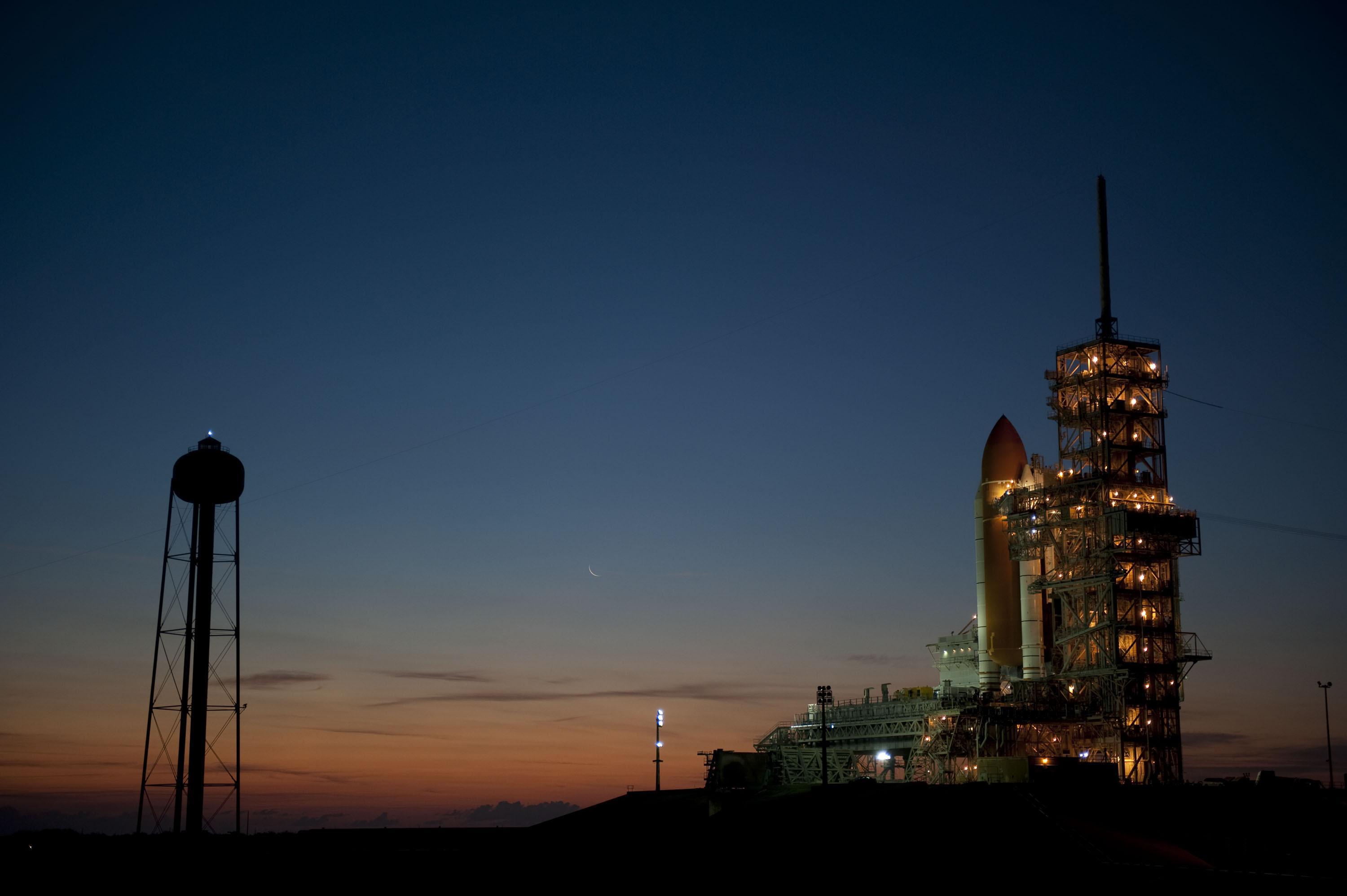
You need to click this pig to get a full sense of her majesty. This is an image of the Discovery, taken a few weeks ago. Tomorrow, Discovery is taking her final voyage into space. Sloughing off the shackles of our niggling orbit and ascending to the cosmos. Phil Plait over at Bad Astronomy notes that “barring this and one more flight of Endeavour later this year, it’ll be a while before we can put humans into space at all.”
What.
A.
Fucking.
Bummer.
We need to take to the stars, to exert our reach through the cosmos. All the time and energy wasted here, lead-footed and fighting amongst one another. Ah, to dream! Of a day when we can look forward to launches again.
Video Shows Relative Size Of Planets, Stars, Universe. We Are Nothing!
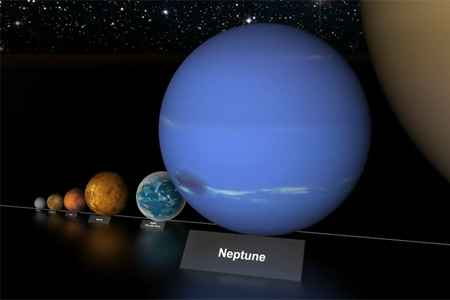
This video starts with the Moon and then scales out and out and out until it reaches the largest known star. It’s a staggering moment of cosmic awesomeness. One of those “holy shit – this place the Universe is enormous!” type things.
Hit the jump for the video. Try and not existentiapuke.
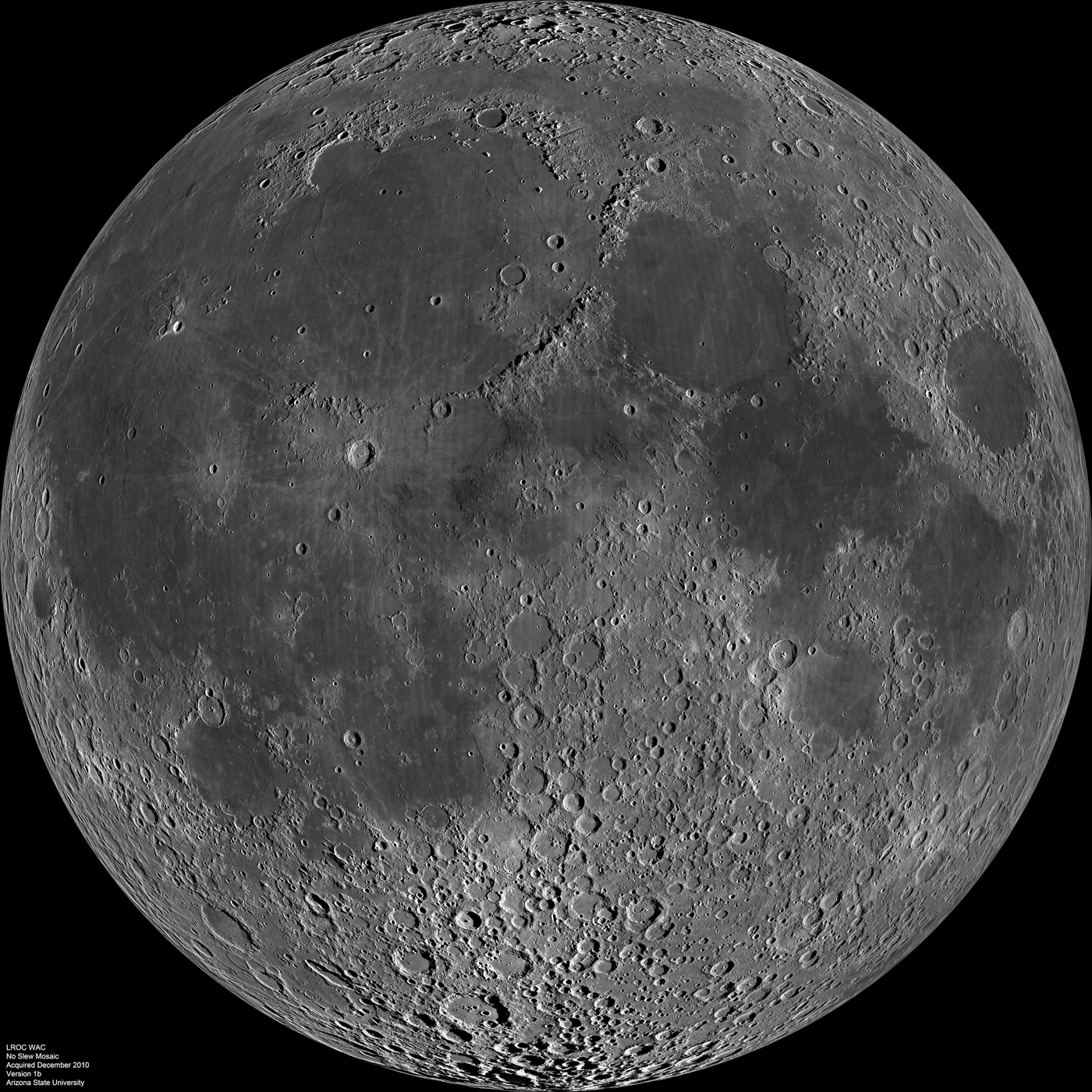
High-Res Photo Of The Moon Is Swank; Where’s The Face?!
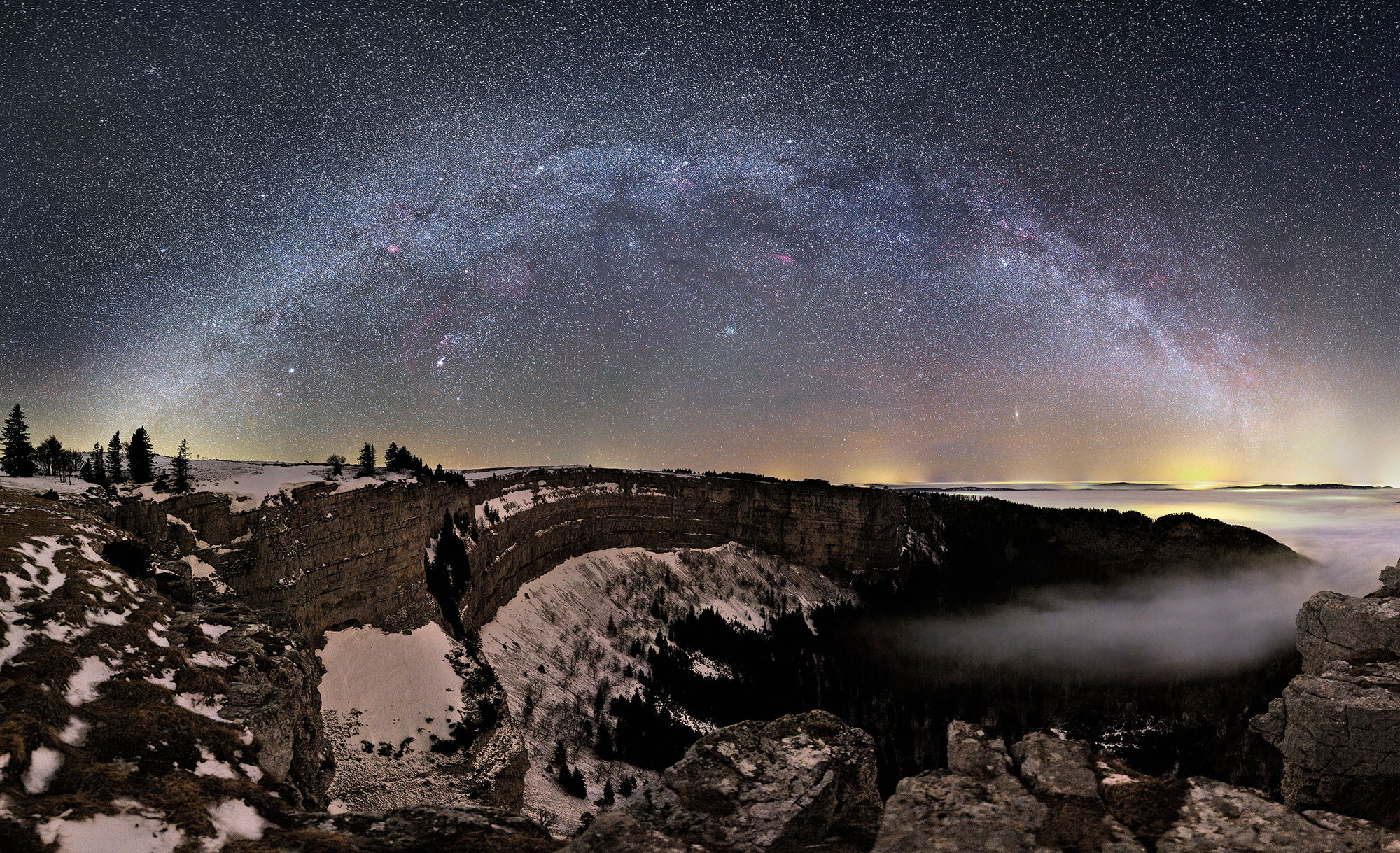
The Full Milky Way Over Switzerland Is Space Erotica.
Enlarge. | Via.
Good lord is this ever the shining paradigmatic example of space porn. That is the Milky Way galaxy and much, much more shining across the night sky in Switzerland.
What’s visible in the night sky during this time of year? To help illustrate the answer, a beautiful land, cloud, and skyscape was captured earlier this month over Neuchâtel, Switzerland. Visible in the foreground were the snow covered cliffs of the amphitheater shaped Creux du Van, as well as distant trees, and town-lit clouds. Visible in the night sky (at midnight) were galaxies including the long arch of the central band of our Milky Way Galaxy, the Andromeda galaxy (M31), and the Triangulum galaxy (M33). Star clusters visible included NGC 752, M34, M35, M41, the double cluster, and the Beehive (M44). Nebulas visible included the Orion Nebula (M42), NGC 7822, IC 1396, the Rosette Nebula, the Flaming Star Nebula, the California Nebula, the Heart and Soul Nebulas, and the Pacman Nebula.
I need to be wherever this picture can be taken. Almost too gorgeous to fathom as real.
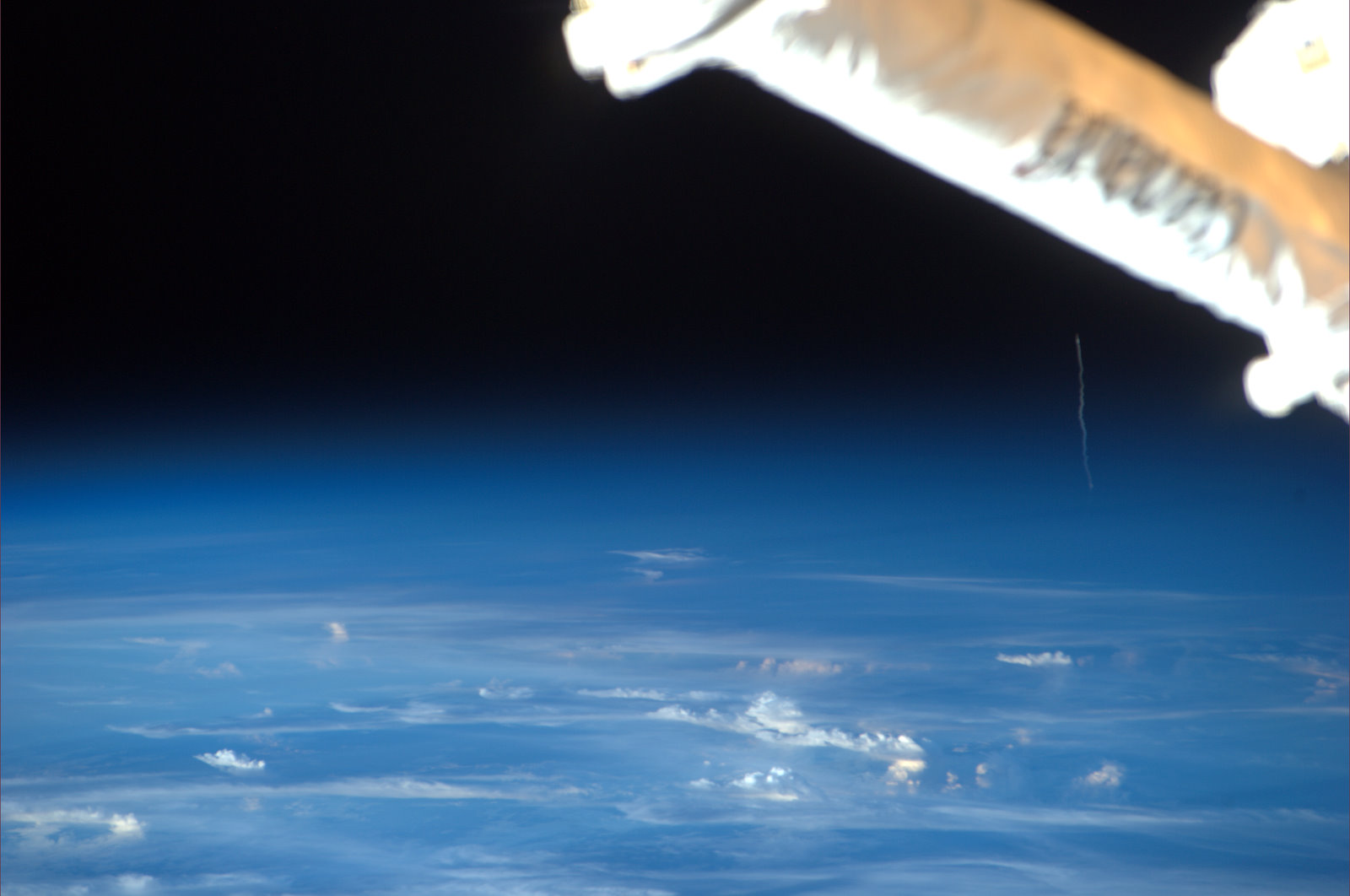
Launch Photo From International Space Station Is Swag.
Enlarge. | Via.
Fuck church, how about some existential masturbation on a Sunday? We are currently on a Blue Rock, floating through the cosmos. This launch photo from the International Space Station underlines such a righteous fact.
The launch photo shows the rising exhausttrail from the rocket just minutes after blast off of the Ariane booster on Feb. 16 from the ESA rocket base in Kourou, French Guiana, South America. The rocket was still on a vertical ascent trajectory to orbit.
Outstanding. So say we all.
Footage of the Sun’s X-class Solar Flare. Snap.
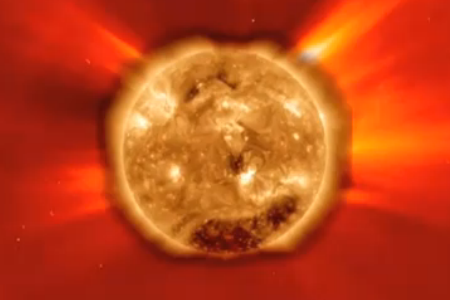
The Sun’s pissed off this week. It must be a bit angsty regarding the fact that it doesn’t have any binary star to share Fabricated Marketing Event Day with, because on Valentine’s Day it unleashed its largest solar flare in years.
Bad Astronomy:
Sunspot 1158 is an active region on the Sun, with a lot of magnetic energy stored up. That energy got released with a bang on Tuesday, creating a solar flare – essentially a magnetic bomb on the surface of the Sun – and a coronal mass ejection (CME) – a huge eruption of subatomic particles blasting outward from the Sun.
The flare can be seen as the sudden bright flash just below and to the right of the center of the Sun’s disk. At the same time you can see an expanding circle of light centered on the Sun. That last bit is the CME. We see these launching off the Sun quite often; usually headed off to the side, looking like a big loop or light-bulb shape moving off. When they head straight Earth, though, they look like a circle that expands as it approaches. That’s how you can tell we’re in the way!
Hit a jump for this cosmic boom in motion.
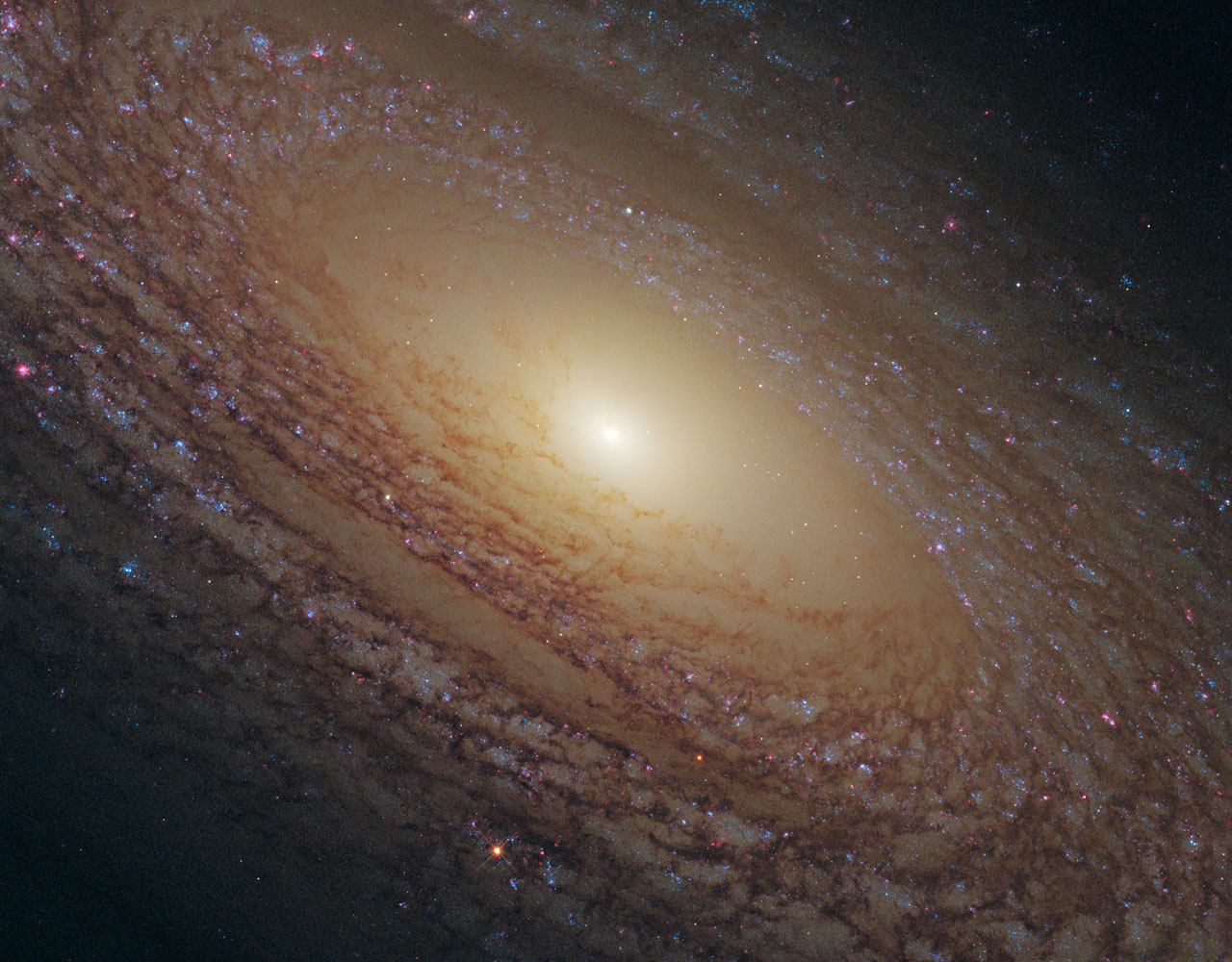
The Spiral Galaxy NGC 2841 Isn’t Productive, But It’s Sexy.
Enlarge. | Via.
Hubble dropped an image today of NGC 2841, a pretty swank spiral galaxy. This galaxy has some poor self-esteem though, ’cause it’s remarkable for a sad reason. They note in the article that it “currently has a relatively low star formation rate compared to other spirals.” Impotence. I know it all too well. Don’t get down dude. NGC 2841, you’re still beautiful to me. If you’re interested in breaking down this galaxy further, Bad Astronomy got yo ass covered.
Phil Plait: There’s No Proof of A Giant Ninth Planet.
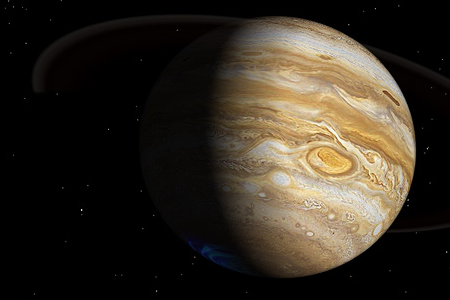
If you’re an astronomy geek like myself, Phil Plait is the man. His blog Bad Astronomy features daily space porn, and more than that, it features dissections and explanations of said space porn. When I mentioned the possible ninth planet Tyche a couple of days ago, I used the disclaimer, “I’m telling you to take everything I’m about to blather about as more than likely science fiction.”
According to Phil Plait, I’m probably right.
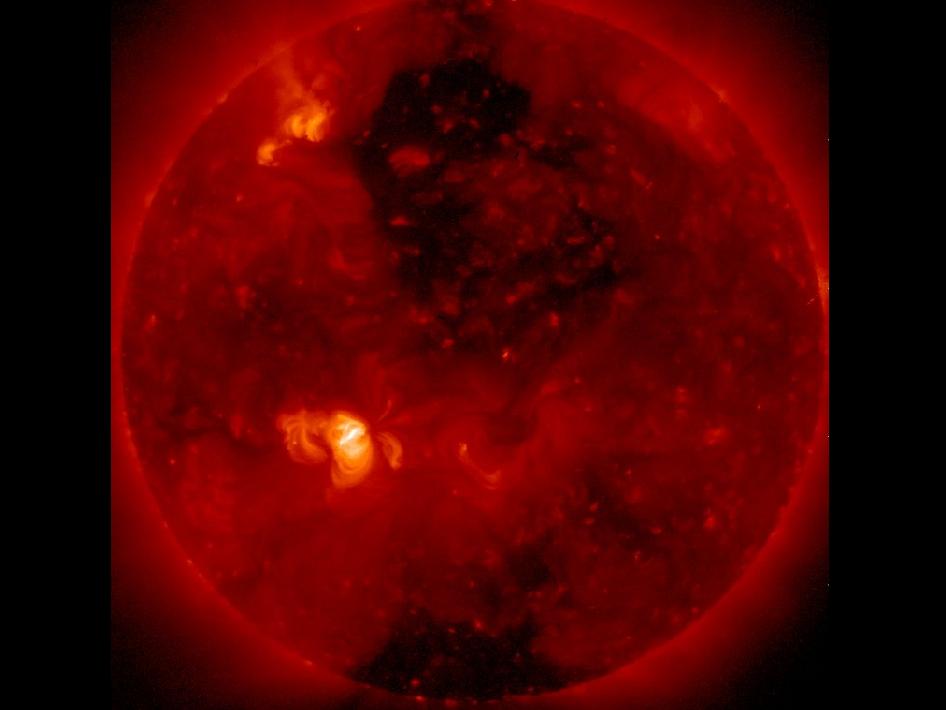
See The Sun Vent Excess Gas Through Two Gaping Holes. Awesome.